
Understanding the psychological triggers that enhance gambling behavior
Understanding the psychological triggers that enhance gambling behavior
The Thrill of Uncertainty
The element of uncertainty is a primary psychological trigger in gambling behavior. Players often experience an adrenaline rush when they are uncertain about the outcome of their bets. This unpredictability can create a potent mix of excitement and anticipation, making the gambling experience more enjoyable. Research suggests that when players face uncertain outcomes, their brains release dopamine, a neurotransmitter linked to pleasure and reward. This biological response reinforces the desire to gamble, making it difficult for individuals to resist the allure of the game. The Astronaut Crash Game, for instance, offers a unique experience, allowing players to explore strategies while engaging with tools like the Astronaut apk, heightening this thrilling experience further.

Furthermore, this unpredictability can lead to a phenomenon known as “near-misses.” When gamblers come close to winning but ultimately lose, they may feel a heightened sense of engagement. This can spur them to keep playing, convinced that the next round might finally yield success. Such experiences are particularly impactful as they enhance the thrill associated with the activity, further embedding gambling behavior in an individual’s psyche.
The Influence of Social Dynamics
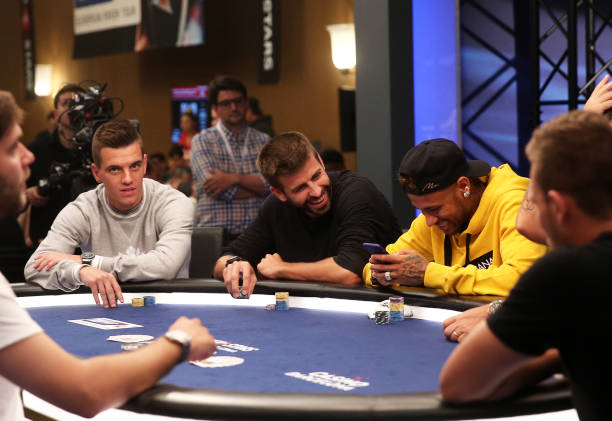
Social dynamics play a significant role in shaping gambling behavior. Many individuals are drawn to gambling through social interaction, whether it be in casinos, online platforms, or friendly bets among friends. This social aspect creates a sense of community that can amplify the excitement and engagement levels during gameplay. The presence of peers can lead to increased risk-taking, as individuals often feel encouraged to gamble more when surrounded by others who are participating in the same activity.
Moreover, social reinforcement can enhance the emotional highs associated with winning, as players share their successes with friends or fellow gamblers. This communal celebration of victories can lead to a cycle where individuals are more likely to return to gambling in search of similar social experiences and shared joy, thus perpetuating their gambling behavior.
The Role of Marketing and Design
The strategic marketing and design of gambling platforms also play a crucial role in attracting and retaining players. Attractive visuals, engaging sound effects, and immersive themes create an environment that captivates users and encourages them to gamble. Game developers understand the psychology behind these elements and often incorporate features that elicit emotional responses, such as celebratory animations for wins or enticing graphics to illustrate potential rewards.
Additionally, promotional offers and bonuses can further manipulate a gambler’s psychology. When players are presented with limited-time offers or rewards for continuing to play, they may feel compelled to engage, driven by both the desire for potential financial gain and the fear of missing out. This marketing strategy reinforces gambling behavior by creating a sense of urgency and excitement that keeps players coming back for more.
The Impact of Cognitive Biases
Cognitive biases significantly influence gambling behavior, affecting how individuals perceive their chances of winning. The “gambler’s fallacy,” for example, is a common misconception where individuals believe that past outcomes can influence future results. This might lead a player to think that a win is “due” after a series of losses, which can encourage them to keep gambling. Such biases can distort a gambler’s understanding of probability and risk, ultimately enhancing their engagement with gambling activities.
Another relevant cognitive bias is the “illusion of control.” Many gamblers believe they have some level of control over the outcomes, especially in skill-based games. This false sense of agency can encourage further gambling, as individuals feel empowered to influence results, despite the underlying randomness of the games. Understanding these cognitive biases is essential for recognizing how they can amplify gambling behavior and affect decision-making.
Exploring New Experiences with Online Gambling
The rise of online gambling platforms has created new opportunities for individuals to engage with gambling in a convenient and accessible way. Platforms often offer a variety of games, from traditional casino games to innovative options like the Astronaut Crash Game, which captures the attention of players with its unique mechanics and high potential payouts. These offerings attract both novice and seasoned gamblers, eager to explore the latest trends in online betting.
Online gambling also incorporates social features, such as chat rooms or community forums, which further enhance the gambling experience by fostering interaction among players. Such platforms are designed to create a sense of belonging, making it easy for individuals to immerse themselves in this thrilling world. As players connect with one another, they may find themselves more inclined to engage in gambling activities, motivated by both social connections and the engaging gameplay experiences offered.